


Gardening
How To Speed Up Composting
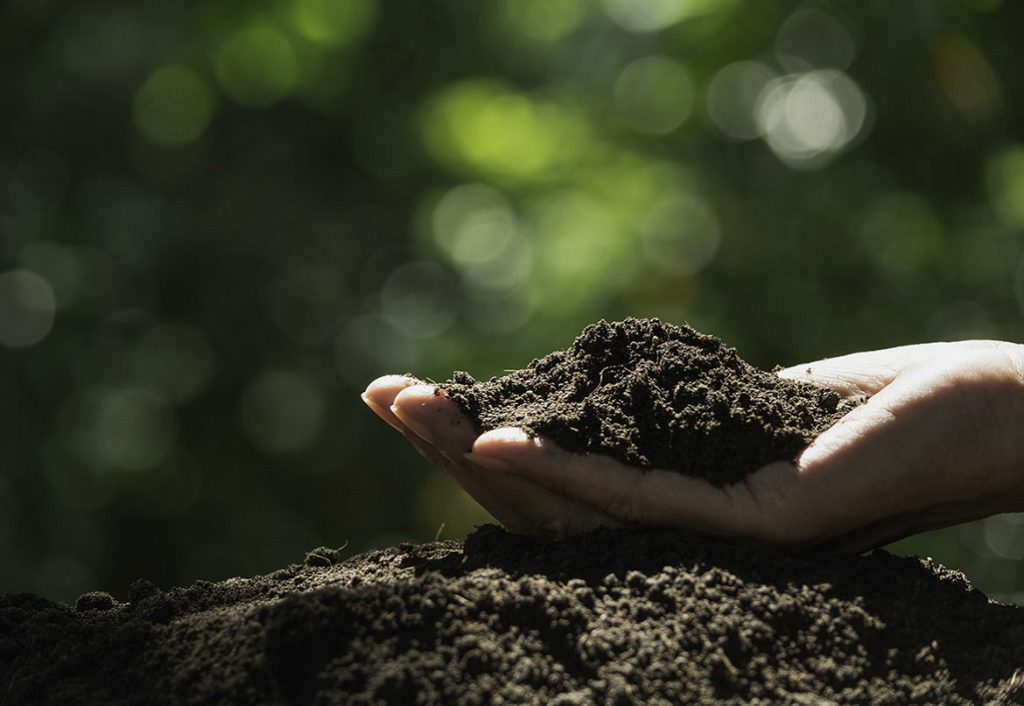
Now that you’ve started your own compost pile, you’re probably keen to get it going so you can use it! In its natural state, homemade compost can take several months or longer to become usable. While waiting for your compost to take its course naturally is a totally acceptable method, you may want to learn how to speed up the composting process to make usable fertiliser faster. Here’s how to make compost fast.
1. Make a larger pile
The way your organic waste turns into nutrient-rich fertiliser for your plants is with heat. That’s why if you want to speed up the composting process, you want to make sure that your pile is large enough. The larger the heap, the quicker it’ll heat up because of the larger area. Another positive in having a larger heap is that they retain moisture better. We find that having a compost heap of about a square meter is a good size to start with to get your mixture nice and hot.
2. Have the proper ratio of brown materials to green materials
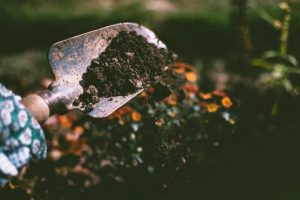
Gardening experts recommend having a high brown carbon material to green nitrogen material ratio for fast composting. We suggest having a ratio of 20 to 1, but of course it doesn’t need to be exact. If you find that your compost isn’t decomposing as quickly as you’d like it to, add more brown carbon materials like shredded brown cardboard, hay and shredded sticks.
3. Shred everything
While you’re upping the quantity of brown carbon materials in your composter, make sure you shred everything. Smaller materials break down faster than larger ones, and making sure everything is shredded is also a great way to create pockets of air within the pile to help aerate and speed up the composting process.
 4. Turn your pile over and aerate
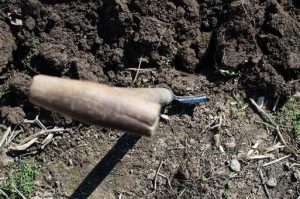
As mentioned above, getting air to flow through your pile helps speed up decomposition. In addition to relying on the natural matter to create pockets of air, you can turn your heap over regularly to ensure even decomposition while simultaneously aerating. Fresh oxygen significantly increases the rate of composting while controlling the temperature and producing aerobic microbes.
5. Keep your pile moist
Another key ingredient in fast composting is the level of moisture. You want your compost to be moist like a damp sponge, but not soggy. If you think your mixture is a little dry, add some water to achieve the right level of moisture.
A few more fast composting tips:
- Don’t be afraid to harvest early! In an ideal world, your entire pile will be a perfectly crumbly mixture to be spread evenly across your garden, but the reality is that a lot of your mixture may be ready to use even if there are still fragments of sticks and other natural matter in there. You can use a mesh screen to sift out the fertiliser that is ready to be used.
- Manure or another nitrogen-rich natural waste could be a good addition to your compost to help speed up the microbial activity, but be aware that you could be introducing new strains of bacteria that could have negative effects on your plants.
- Adding worms to your mixture can help speed things up as the worms eat the food scraps and help them decompose quicker.
By following these easy steps you should start to see improvements within a few weeks. Keep in mind that the amount of time and care you put into your compost will be directly related to the speed at which it becomes quality fertiliser.
For all of your composting and gardening needs, shop online or stop by Arboretum today!
Discover the excitement of Ice Casino whether you’re a seasoned gamer or new to online casinos, as icecasino offers an impressive game selection, including slots, table games, and more. With its vast variety of lucrative promotions and mobile-friendly platform, it’s the perfect choice for players of all levels. Join and dive into a world of entertainment!


Related posts

Gardening
Planting Spring Bulbs
Planting spring bulbs not only adds a burst of colour after the winter but also brings life and excitement to outdoor spaces.
Gardening
Growing Your Own Fruit Trees
You would be surprised at just how many people think growing fruit trees is difficult and time-consuming.
Gardening
When to Plant and When to Harvest Potatoes
Potatoes, an incredible superfood that flourishes abundantly in virtually any soil type.
Gardening
January in Your Garden – Getting Ready for Spring
Get your garden ready for spring and beat the January blues!
Gardening
Autumn lawn care: what you should be doing now
Achieving a healthy-looking lawn takes a little investment at this time of year but will pay dividends come the spring, says Anne…